Revisiting 2024

The Picture House staff have produced a list of their top 50 films of the last year. There is a top ten on which regulars and friends can vote for a film to be re-screened in the coming days. However the film I would most like re-screened is in the top fifty but not the top ten. I suspect some readers may face the same issue. So I thought it was worth posting on my choice. It will be interesting to see if any other readers share this choice or indeed if they have other choices from the list.

Mine is Nuri Bilge Ceylan’s About Dry Grasses / Kuru Otlar Üstüne, (2023), listed at 14. As with most of his features this is scripted by Nuri with his partner Ebru. The feature runs for 197 minutes, in wide screen and colour; shot using digital formats. Set in the Turkish region of Anatolia, like most of Ceylan’s dramas, it focuses on a young teacher working in a remote village.

Ceylan’s movies are always worth watching; he is one of the finest film-maker working today. And in widescreen and colour it deserves to be seen in a cinematic forum, preferably on the laser projector in screen one.

There were [as I remember] several screenings at the Picture House but I was away and missed them. And there has not been an opportunity since to catch the title at a cinema.

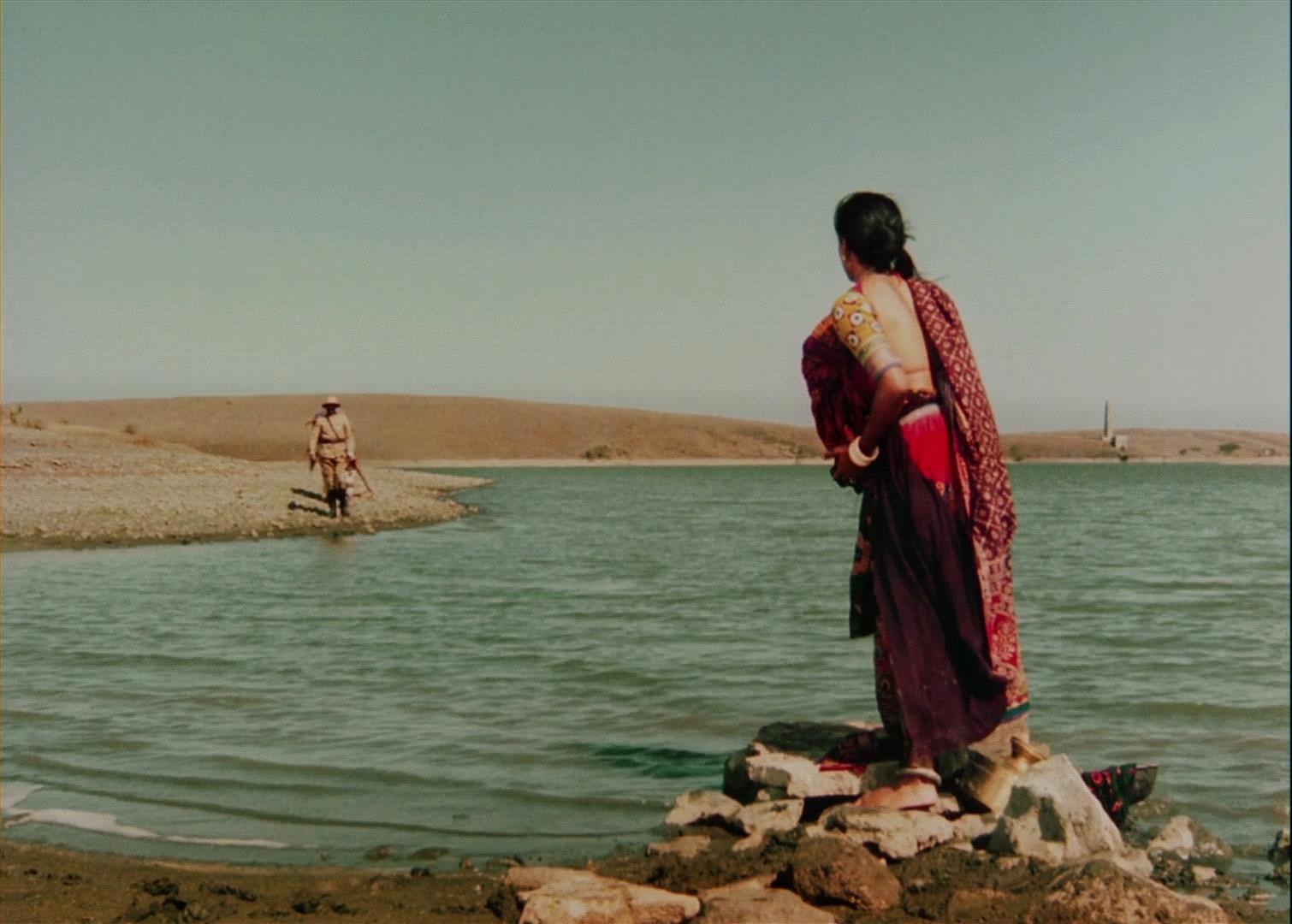
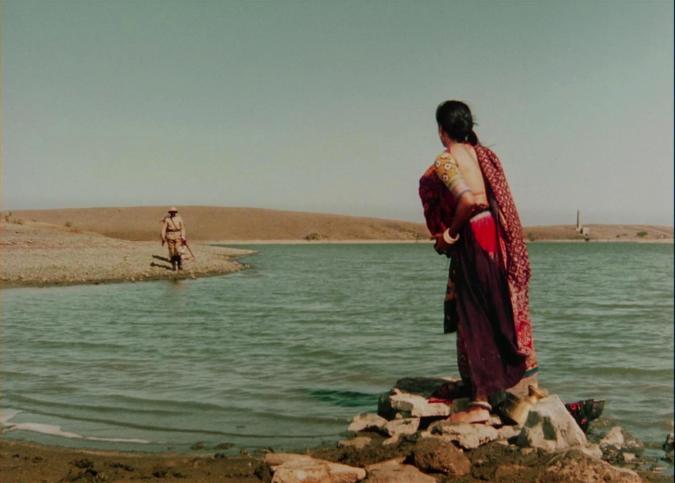
Mirch Masala, India 1987

This title is part of a retrospective of films featuring Smita Patil. She was an important and successful actress in the sub-continent from the mid 1970s until the late 1980s; she died only aged 31 in 1987.

Many of her best films were part of India’s parallel cinema; a counter cinema to the mainstream cinemas of which the Mumbai / ‘Bollywood’ is the best known. These films were closer to art cinema, often consciously critical and even revolutionary and eschewing the melodrama, songs and dances that epitomize the dominant film mode. Patil worked with a number of major parallel cinema directors, including the best-known Shyam Benegal and Mrinal Sen.

This movie was directed by Ketan Mehta and co-written with Chunilal Madia, adapted from one of his Gujarat short stories. The story is set in a small village in 1930s British colonial India. It is not clear if this is an area directly ruled by the British or is a part of one of the supposedly independent kingdom’s or principalities.

The village is visited by a Subedar [tax collector] with his accompanying troop of armed horsemen.

Such tax collectors were noted not just for the brutal way they enforced collection but in addition taking village valuables, resources and even women for their own use. In this case the visiting Subedar (Naseeruddin Shah) is taken with Sonbai (Smita Patil), the wife of Shankar who leaves the village to work on the Railway, that iconic network in the subcontinent and Indian Cinema. The village is divided by caste and the village Mukhi (leader – Suresh Oberoi) seems to have exploited and stolen the land of the poorer members through usury.

The women from poorer households work nearby sorting and processing red peppers, a site known as the factory. The title of the film translates as ‘Hot Spice’ and the peppers function as an actual and symbolic prop in the drama. Indeed the movie is saturated with the colour red. There is little sign of the men of the village involving in work and they clearly dominate and restrict the women.

Two sub-plots in the narrative involve the wife of the Mukhi, Saraswati (Deepti Naval) attempting to enrol her daughter Munni in the local school. The school master (Benjamin Gilani) is a lone follower of Gandhi in the village. Meanwhile the Mukhi’s younger brother (Mohan Gokhale) wants to elope with Radhu (Supriya Pathak) but her lower caste stands in their way.

The Subedar threatens the village men with reprisals if he cannot lay hands on Sonbai. The only resistance is by the school master: Abu, the watchman at the factory: and some of the fellow women of Sonbai in the village.

This is a powerful drama which dramatises both the sexist structure of the society and the repressive weight of the colonial occupation; though we never see or hear the British colonial authority. Patil is excellent as are her fellow actresses as the village women. The players of the male characters have minor roles, except for Om Puri as Abu and with the Subedar larger than anyone or even life. The film follows the style associated with the spaghetti western, which was very influential in Indian film in the 1970s and 1980s: as with the star vehicles of Amitabh Bachchan like Sholay (1975).

This was a screening of a digital transfer; there do not seem to be any 35mm prints, either in this programme of in the Festival itself. The quality was good and the important colours looked fine. It was shot in 1.66:1, in Hindi and has English sub-titles. The running time was given as 128 minutes, but I thought it was more like 120 minutes: Movie Database gives 121 minutes.

Unfortunately this is the only title of the five in the retrospective screening at the Picture House. Indeed, the number of Festival titles here seems down on 2023 and that year was lower than the pre-pandemic era. Given that the Festival originally started at the cinema, along with the development of the Friends, I find this disappointing.
Two Scandinavian Films on 35mm

Sunday 10th December at 12 & 5pm

Girl with Hyacinths / Flicka och hyacinter
(Sweden, 1950, black and white, 99 minutes)

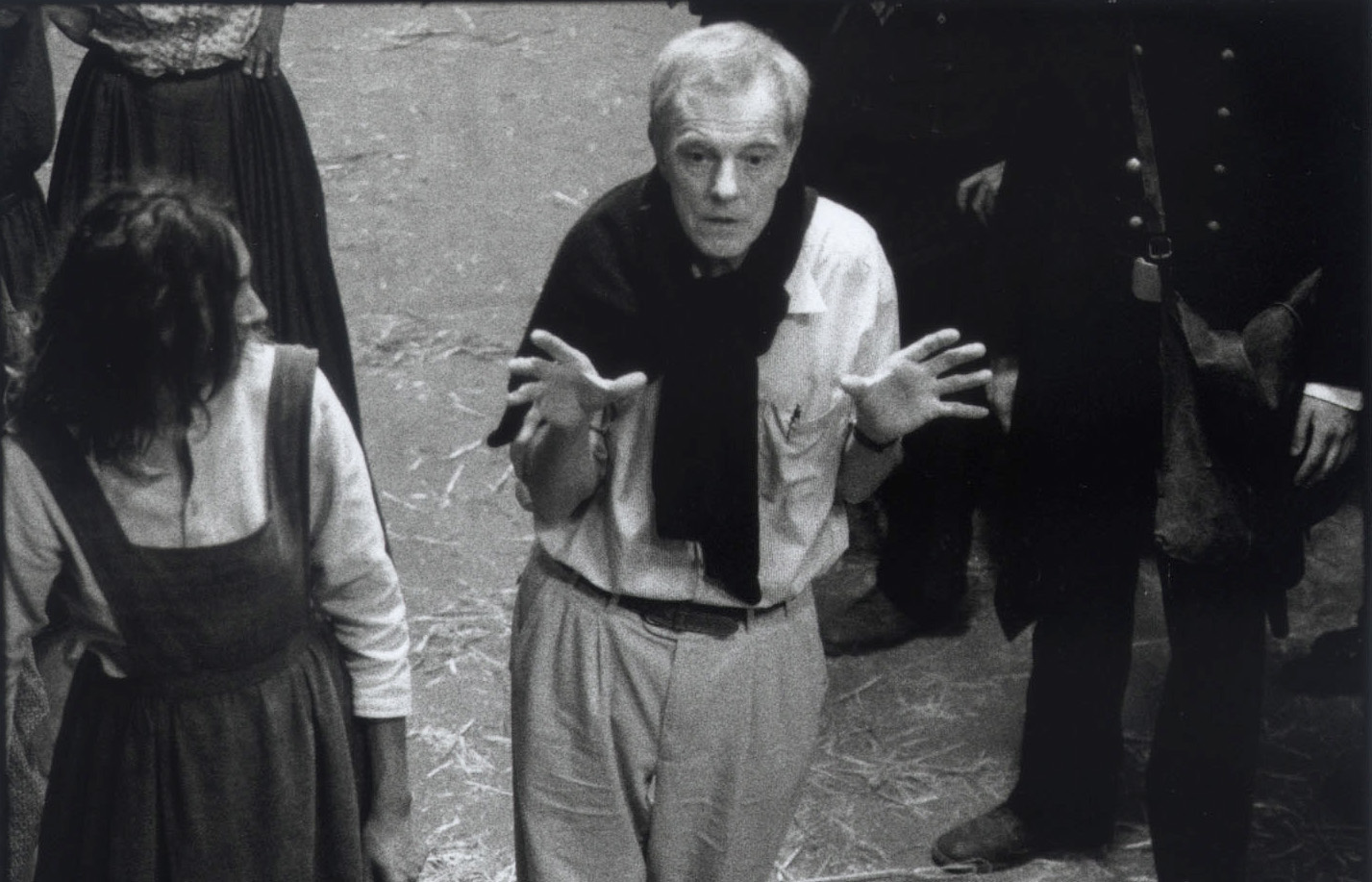
The film is an investigation of the suicide of a young woman, she of the title. The investigation is pursued by a neighbour played by Ulf Palme, who later appeared in the very fine Miss Julie (1951). The film relies on an interesting use of flashbacks. The cinematographer, Göran Strindberg, also worked on Miss Julie, directed by director Alf Sjöberg. Dialogue in Swedish.

The director Hasse Ekman worked as a writer and film-maker from the 1940s to the start of the 1960s; he was a contemporary and overshadowed by Ingmar Bergman. However, he was a successful and popular film-maker in Sweden.

Cross of Love / Rakkauden risti
(Finland, 1946, black and white, 89 minutes)

The film is based on a story by Alexander Pushkin. A young woman runs away to the city where she suffers exploitation before becoming a painter’s model., There are some relatively explicit scenes which, apparently, were censored in a Swedish language version.

Teuvo Tulio was a director who worked from the late 1930s through to the 1960s. His films are both very melodramatic and have an intensity of emotion that can sometime seem over the top. He often uses expressionist techniques. He is also reckoned to be an influence of the contemporary director Aki Kaurismaki. The leading player Regina Linnanheimo was a popular actress who worked on a number of occasions with Tulio and at times contributed to the script. The film dialogue includes Finnish, English and Russian.

Both films are screening from 35 mm archive prints, in the academy ratio and with English subtitles. So two ‘reel’ films on the same day is a treat. Unfortunately there is a three hours break between the screenings. Maybe visit the Hyde Park Book Club or Oxfam book shop?

Suggested films for the reopening Hyde Park Picture House

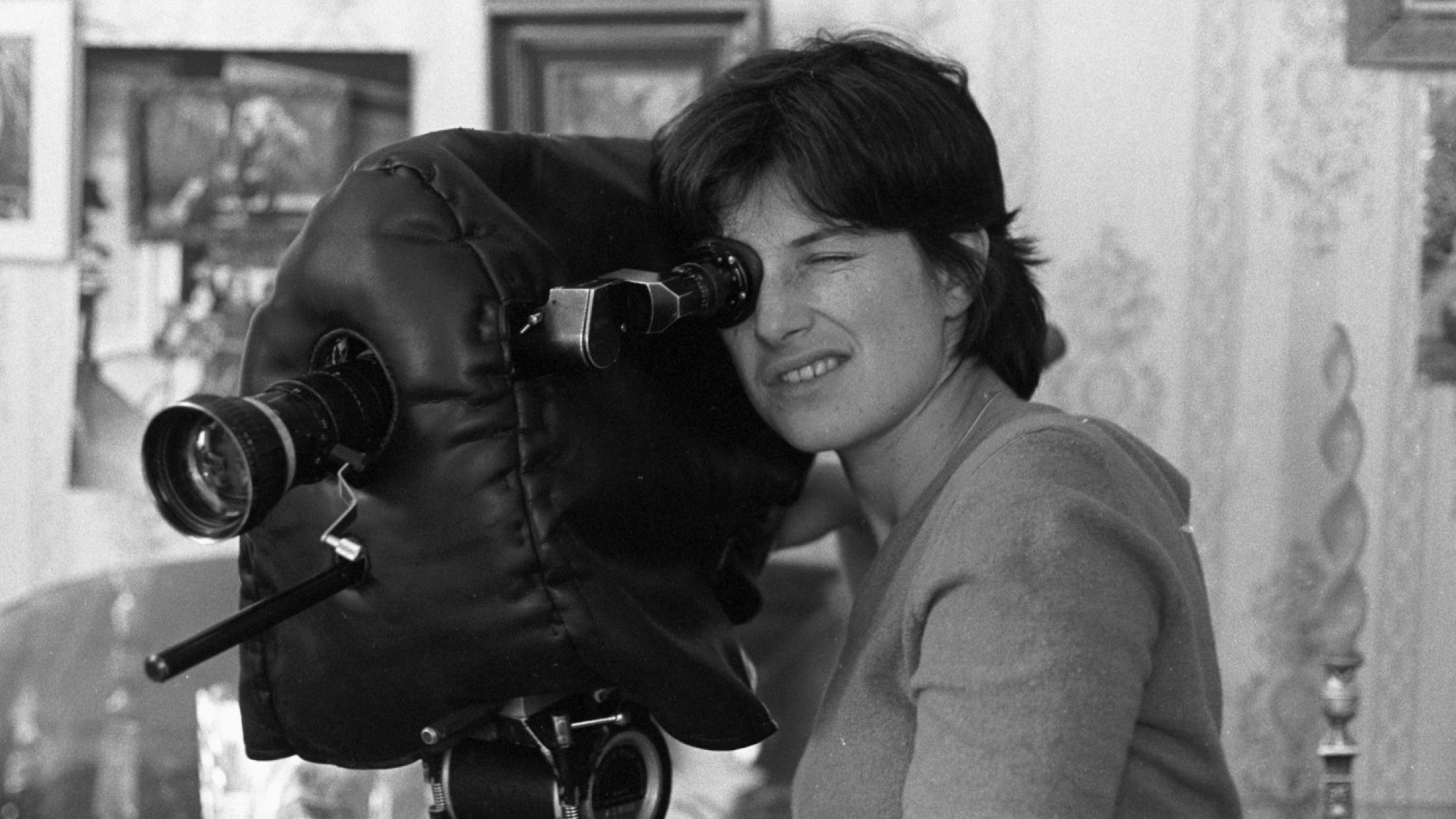
Chantal Ackerman

Readers are likely to have noted of the welcome surprise when in the Sight & Sound decennial poll for 2022 a little known Belgium film garnered the highest number of votes among contributing critics. Jeanne Dielman, 23 quai du Commerce, 1080 Bruxelles is a 1975 feature written and directed by the then young film-maker Chantal Ackerman. It is long, over three hours, has an essentially minimalist style and fits into what is often called counter-cinema. It pipped three previous poll-winners, all closer to the mainstream film and all by directed by men: Ladri di biciclette: Citizen Kane: and Vertigo.

The film follows three days in the life of the titular character. She is a single mother with a teenage son and offers a challenging role for the fine French actress Delphine Seyrig. Apart from the mother and son, the only other characters are a neighbour and three gentlemen callers. It is for most of its running time a low-key drama finally disrupted by a fairly shocking sequence.

Fortunate Friends will have seen the feature during the 2013 Leeds International Film Festival with a good quality 35mm print screening at the Picture House. Given its success in the S&S poll and its important place in European cinema this would be a fine film to screen when the Picture House reopens. Unfortunately there does not seem to be a 35mm print in the country. In 2013 the Festival obtained its print from the Brussels Archive. Perhaps, a number of independent cinemas could band together to obtain a print for British audiences.

Jean-Luc Godard

Counter-cinema itself lost one of its luminaries in 2022, Jean-Luc Godard. Over the years many of his films have been seen on the Picture House screen: often challenging: frequently with fine visuals and sound: sometimes more insouciance than dramatic: always searching out new ground for cinema. His first film, A Bout de Soufflé (1960) made young audiences in particular sit up and take notice. His most recent, The Image Book (2018), broke new ground with colour and digital formats. To date there does not seem to have been a retrospective of Godard’s work; nothing at the Leeds Film Festival was a missed opportunity. So a series of films when the Picture House reopens would be welcome. The National Film Archive has 21 film prints of Godard’s titles, mainly on 35mm. These are predominantly from his earlier career: A bout de soufflé  but only on 16mm: Vivre sa vie (1962): Alphaville (1965): also Weekend and Le Mepris, both 1967. There are some titles on other formats but neither Film Socialisme (2010) or The Image Book. Even so, the prints available would offer a remarkable cinematic programme.

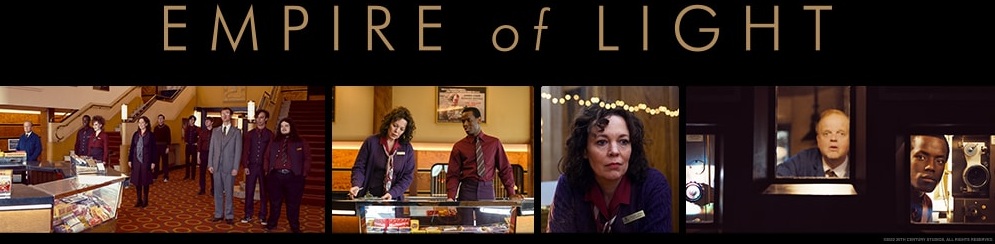
A much more recent movie that would also be a treat is Empire of Light (2022). The title was shot on a digital camera and format but there are several 35mm prints of the movie available; though the nearest screenings to Leeds have been Barnsley and Sheffield. The drama is set in a cinema in Margate in the early 1980s. The cinema has 35mm carbon arc projectors which we briefly see in action; presumably one reason why there are 35mm prints.

The film deals with relationships among the staff working at the cinema and the affect on these of the conflicts of the period. There include sexual activity and violence. The latter arises with sudden and unexpected power.

We see inside the projection box in three brief scenes and only once do we see someone watching a film in the auditorium. These are interesting sequences and also feed in to the themes of the drama. The film was written and directed by Sam Mendes; not every aspect of the script works successfully. The cinematography of the title are one of its virtues and were directed by the very fine cinematographer Roger Deakins. Think Fargo (1996): The Assassination of Jesse James by the Coward Robert Ford (2007): Sicario (2015).

In one scene Norman (Toby Jones) the Empire projectionist, tells a colleague that the projectors are K.18s; provided by the Projected Picture Trust. These are Kaylee Projectors, a firm that operated in Leeds from 1942 until 1958, during which time the company was taken over by Gaumont. Some Friends will have seen Kaylee projectors operating in a local cinema; a large number used Kaylee equipment at one time. Some fortunate members will have seen them at an event organised by the Pavilion in 2011. The old Lyric cinema, disused, still had Kaylee projectors in situ. Some skilled projectionists, including Allan at the Picture House, repaired the projectors for a series of screenings of a new 35m print. The Picture House staff organised a special tour of the venue and the event. Friends climbed up the old metal staircase to the projection box to see the projectors close up and have the carbon arc technology demonstrated. And extra treat was that, after the main screening, we watched a 35mm print of a short film, which was one of the early ventures filmed by Roger Deakins.

Andy’s Look Back At 2021

Our newest committee member, Andy Smith, takes a look back at another unusual year in cinema.

Before we get to the nitty-gritty let me put some context around where my film preferences lie: Here are some of my favourite films, by which I mean films that I would happily watch over and over again, but not on a loop! (in no particular order): Casablanca (1942), Ex Machina (2014), Leon (1994), Dirty Harry (1971), Farmegeddon (2019), Wall-E (2008). I don’t mind a suspense film but I am not a fan of horror or ‘action’ movies. Although Tenet (2020) was simply brilliant… My wife and I always mark a film out of 10 as we leave the cinema – it has to be our instant impression, given without conferring which we then average and record. More that 8 is very good, less than 2 means we probably walked out if we could without disturbing people. 10s are like hen’s teeth.

The first half of 2021 was spent watching films on-line via a 12 inch laptop or DVDs via a projector on to the sitting room wall trying to replicate “The Experience” of the big screen – we even got ice creams in. It was a poor substitute.

From May we were back in cinemas and managed to rack up 20 films between then and the end of the year. Most of them were excellent – only one was poor. So a good strike rate.

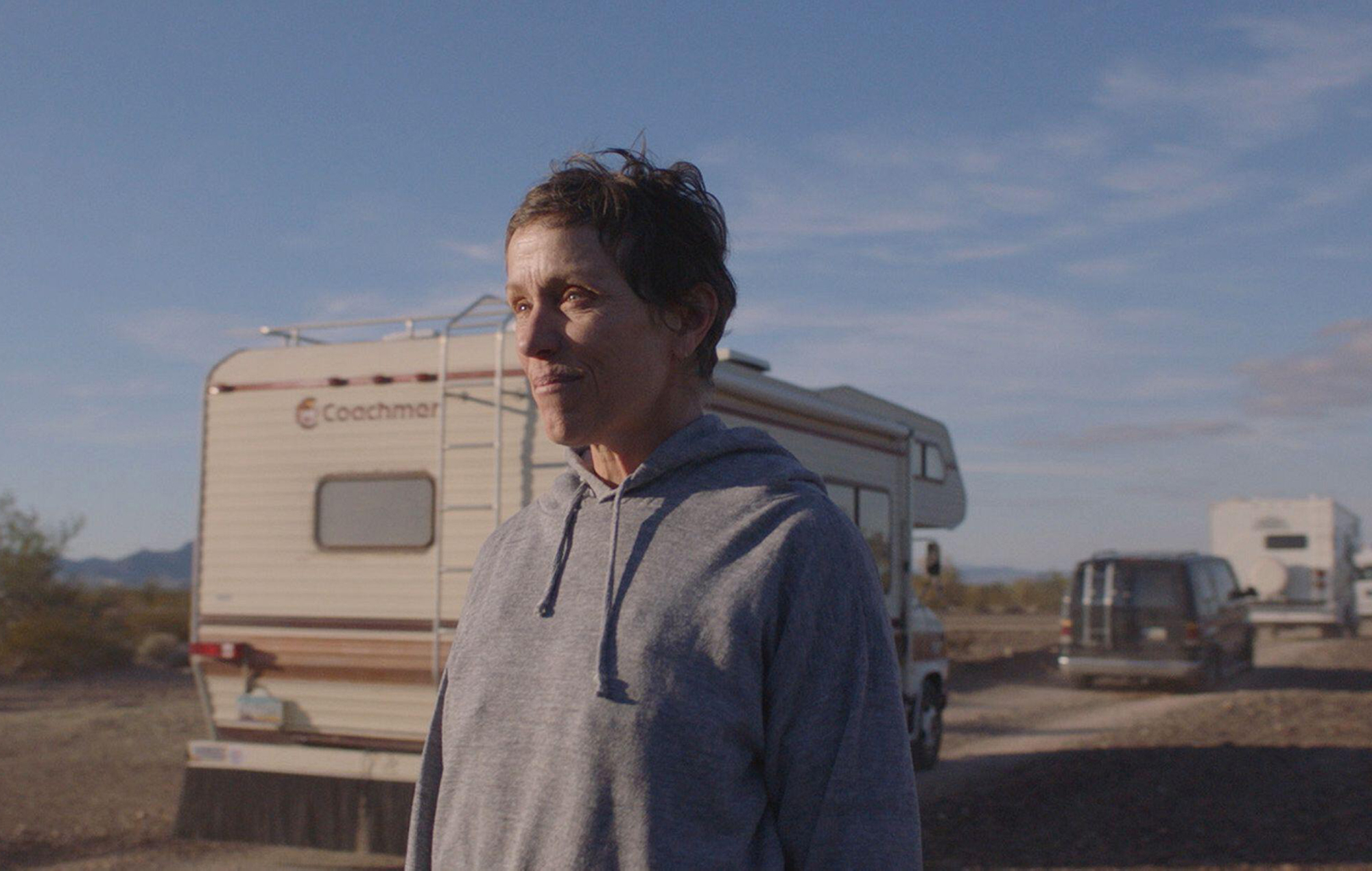
The first film was Nomadland – pretty much a 10/10. What an interesting ‘storyline’ fantastic direction (Chloe Zhao), great characters (Frances McDormand, David Strathairn and members of the nomad community), cinematography (Joshua James Reynolds) and social comment.

Frances Mcdormand in Nomadland
Continue reading

‘Happy Lazzaro’ on Film 4

Film 4 Monday-through-Tuesday at 12.55 a.m. and now available on All 4.

Happy as Lazzaro / Lazzaro felice (Italy / France / Switzerland / Germany 2018

This film was one of the outstanding releases in 2018. I enjoyed immensely both the screening at the Leeds International Film Festival and again when it returned to the Picture House in 2019. And I look forward to seeing it again on terrestrial television. It should look reasonably good as long as Film 4 stick to the 1.66.:1 aspect ratio. It runs just over two hours and has both Italian and English dialogue with sub-titles for the former.

Directed by Alice Rohrwacher, one of her earlier films was The Wonders (2014). This film has been described as magic realist. It combines naturalistic observation with a plot that includes references to myth and folk tales, social exploitation and a touch of fantasy. Lazzaro of the title is a sweet natured and apparently simple minded peasant. He is part of a village cut off from modern Italy and involved in some form of share cropping. Later in the film a migration leads members into a lumpen-proletarian existence. The film shares tone and tropes with recent migrant films. It is fascinating and at times moving. Visually Hèléne Louvart’s cinematography is both beautiful and atmospheric and the overall production is excellent. I thought this the best film I saw at the Festival. A friend commented,

“I greatly admired The Wonders … and this was even better. This tale of a holy fool in a setting which blurs the borders between realism and the fantastic is not, perhaps, for the literal-minded but should delight most of the rest of us.”

The number of foreign language titles screened on terrestrial television has severely reduced in recent years. So a film like this is a rare pleasure. It is unconventional and the narrative tends towards the picaresque; and it is also really imaginative.

The Best of 2020

At the start of the year we usually look back over the previous 12 months and pick out our favourite films. Normally for this blog these would be restricted to those shown at the Picture House and I though this year it might have to be different. However the first few months of 2020 were really good for cinema and I’m not sure if this top 5 would be much different even if the doors had stayed open for longer.

So my Top 5 of 2020 is:

  1. Portrait Of A Lady On Fire
  2. Little Women
  3. Uncut Gems
  4. Parasite
  5. JoJo Rabbit

Of the films I saw on the smaller screen at home the following would make it into my Top 10: Lynn + Lucy (BFIPlayer), Wolfwalkers (Apple+), Saint Frances (Netflix), Babyteeth (Netflix) and Never Rarely Sometimes Always (Sky/NowTV).

What about you? Did you still manage to see lots of great films (on screens of any size), let us know in the comments.

2019 in retrospect.

So, I found 2019 not a great year for new releases; lots of popular films but not that many outstanding ones. Those that stood out for me both in terms of craft and subject were:

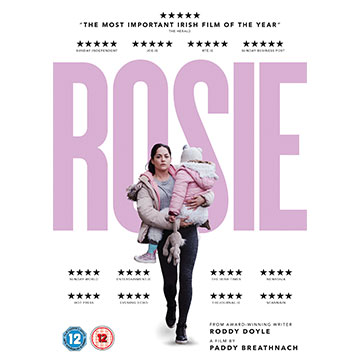
Rosie, Eire. This was a drama about homelessness in Dublin. Very well done and the cast were impressive. It was distributed independently so I am afraid many people may have missed it.

Happy as lazzaro / Lazzaro Felice, Italy. A compelling drama, both of exploitation and the problems of migrants. One of the most imaginative stories I have seen for a  long time.

A Season in France, France. A drama about an African migrant family. This was a bleak tale but finely done.

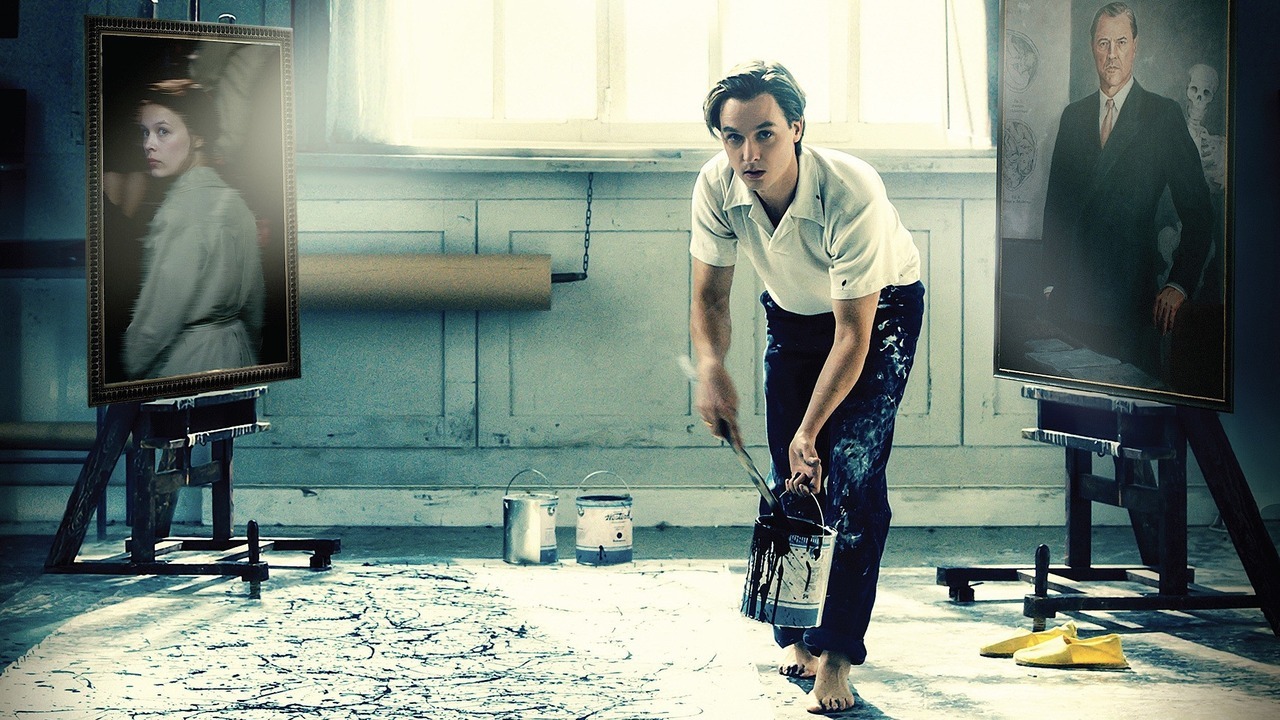
Never Look Away, Germany. An artist travels from East Germany to the West and from Socialist Realism to the avant-garde. Fascinating.

Pain and Glory, Spain.  An exploration of sexual orientation and of cinema and of art; beautifully put together.

Bait, Britain. This title only qualified on 35mm. The digital version did not handle the distinctive techniques on the film well.

So Long, My son, China. One of several epic dramas from the territory presenting a canvas that was large in terms of time and space; a study of  the contradictions of family relationships.

We also enjoyed several screenings of classics in their original format of 35mm.         Sans Soleil / Sunless, France 1983 was part of a weekend of screenings curated by the Pavilion of the  Artist Moving Image Network. This is a classic documentary, visually stunning and with a complex tapestry of themes. Among the other gems of the weekend was Colloque de chiens, France 1977; a sardonic 20 minute film on 35mm and in colour. The canine characters were a metaphor.

Our 2017 Highlights

We asked our blog contributors for their highlights of the year and this is what they came up with.

Bill

My highlights from the films shown at the Picture House are:

  • Elle, France 2016
  • I Am Not Your Negro, USA, 2016.
  • Lady Macbeth, UK, 2016
  • The HandmaidenSouth Korea, 2016
  • Lover For A Day, France
  • Kedi, Turkey, 2016
  • Thelma, Norway
  • Loving, USA, 2016
  • Detroit, USA
  • Human Flow, Germany

and from the film festival at different venues

  • Three Billboards Outside Ebbing, Missouri (Showing at Hyde Park from January 12th), USA
  • Mutafukaz, France/Japan
  • The Teacher, Slovakia/Czech Republic, 2016

On a different day I could have included Neruda, Loveless, 20th Century Women or Human Flow.

Jake

My top 10 of 2017, sticking to films that got a general cinema release this year:

  1. Certain Women (USA, dir. Kelly Reichardt)
  2. Le Parc (France, dir. Damien Manivel)
  3. Toni Erdmann (Germany, dir. Maren Ade)
  4. Machines (India, dir. Rahul Jain)
  5. Cameraperson (USA, dir. Kirsten Johnson)
  6. Moonlight (USA, dir. Barry Jenkins)
  7. By the Time it gets Dark (Thailand, dir. Anocha Suwichakornpong)
  8. The Untamed (Mexico, dir. Amat Escalante)
  9. Dina (USA, dir. Antonio Santini & Dan Sickles)
  10.  A Ghost Story (USA, dir. David Lowery)

Keith

The new films that impressed me this year, in the order of when I saw them, are

A special mention for Casey Affleck in

And of the classics from the past,

  • Cloud-Capped Star / Meghe Dhaka, India 1960, really impressed me.

Stephen

I restricted this list to things I saw for the first time at the Picture House, otherwise the list could also have included Paddington 2, The Last Jedi, Blade Runner 2049 and Dunkirk.

  • Manchester by the Sea, USA, 2016
  • A Monster Calls, UK, 2016
  • 20th Century Women, USA, 2016
  • mother!, USA
  • The Florida Project, USA
  • Good Time, USA
  • A Ghost Story, USA
  • My Life As A Courgette, Switzerland/France, 2016
  • JackieUSA, 2016
  • Bad Genius, Thailand

I’m a bit disappointed that my list is mostly English language films but a lot of the ‘foreign language films’ released this year such as A Man Called Ove, The Handmaiden and Toni Erdmann I saw at LIFF30 so haven’t included here.