LIFF2025

The Leeds International Film Festival (LIFF2025) starts today with Richard Linklater’s Blue Moon as one of the opening films at the Picture House. As well as the festival screenings, Bugonia and The Choral are also showing in the regular Picture House programme.

Other festival highlights included the free breakfast screenings of Holiday and Roman Holiday, It Was Just An Accident, Die My Love, Rental Family, Sentimental Value, The Secret Agent, Game + Q&A and the Night Of The Dead all-nighter returns.

Four our First Thursday meetup we’ll be getting together in the bar around 8pm after the screening of La Grazia on the 6th November and hope to see you there.

Let us know what else you’re planning on seeing or if you have any recommendations in the comments below.

Review: Anora (2024)

Don’t forget you can join us in the bar after the 5pm screening to talk about Anora and other films at our First Thursday Film Club.

Writer-director Sean Baker has returned with his latest film, Anora. After winning the Palme d’Or at Cannes Film Festival earlier this year, alongside its initial reception, Anora has easily become one of the most anticipated films of 2024. After waiting for its release for what seemed like forever, I was more than ready to attend the first showing at the Picture House.

Mikey Madison gives a phenomenal, standout performance in the titular role that lingers long after the film ends. The starry-eyed Anora, who prefers Ani, is a 23 year old sex worker who dances in a Manhattan strip club. It is here that she meets Ivan or Vanya (Mark Eydelshteyn), the unfledged son of a wealthy Russian oligarch. Vanya soon makes Ani a business proposal à la Pretty Woman to be his girlfriend for the week. Enticed by the payout and by his life of frivolous excess, she agrees. Ani begins to fall for Vanya and her character is initiated into his world through head-spinning, reeling romantic montage. After their impromptu marriage (set to an unexpectedly moving needledrop), Ani believes this to be her golden ticket out of the club for good. Hopeful, uplifted and disarmed, we are enticed into the fantasy alongside Ani – tantalised by the prospect of a better life.

Once Vanya’s parents hear the news of the pair’s nuptials in Russia and of Ani’s profession, they set out to annul the marriage with the help of their associate Toros, flawlessly portrayed by Baker’s long-time collaborator Karren Karagulian. The film descends further into chaos when events lead Ani to assist Toros, his brother Garnick (Vache Tovmasyan) and gentle henchman Igor (Yuriy Borisov) in a manhunt for Vanya. As the foursome embark on a voyage through the streets of Brooklyn, the night tailspins into a sobering series of events, emphasised by flash cuts and overlapping, clamorous New York accents – reminiscent of the Safdie brothers’ Good Time (2017) or Uncut Gems (2019).

Baker is no stranger to this kind of storytelling. As seen in preceding titles Starlet (2012) and Tangerine (2015), the stories of sex workers are often at the forefront of his work. Baker’s films are typically structured as comprehensive character studies, employing realism to authentically explore the human condition as it relates to poverty, class, and living on the margins of American society. Anora is no doubt a continuation of this style and these themes, however confronts wealth and apathy in a way not before seen in these earlier titles.

Anora deconstructs the rags to riches trope with brutal honesty. The film is a tragicomedy akin to life itself, finding glints of light in its darkest moments. Amidst the calamity, the cast preserve a tactful, comedic tone that cuts through the bleakness. Ani, beneath her glittering exterior and professional persona, is a gritty, wilful and fierce character, able to hold her own in otherwise distressing circumstances. Her determination to escape a life of poverty propels the narrative forward. As though it were a survival instinct, she remains unrelenting in her own self-assurance and preservation, refusing to loosen the grip on her American dream until the bitter end.

Exhilarating, tender and utterly captivating, Anora is definitely one that you won’t want to miss on the big screen.

Sophie Laing

Now showing at the Picture House and as part of Leeds International Film Festival and the Friend’s First Thursday Meetup will be taking place after the 5pm screening on the 7th November

Bill’s Review of #LIFF2023

What I love about the Leeds International Film Festival is the sheer variety of the films on offer, with insights into different cultures, times, and ways of seeing the world. Here is a selection of this year’s highlights for me:

There were thrills from the Sahel (Sira 2023) and melodrama involving Dutch imperialists in Indonesia (Sweet Dreams 2023).

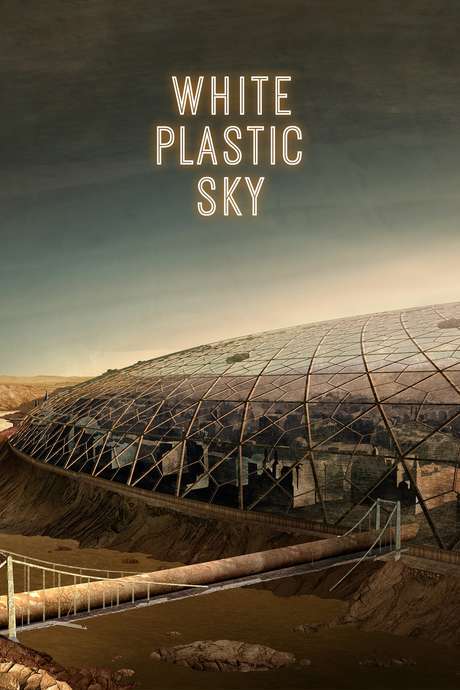
I was taken into the future where to save resources citizens at the age of 50 are turned into life-giving trees (White Plastic Sky 2023), and into the past with a frantic search for a winning lottery ticket (Le Million 1931).

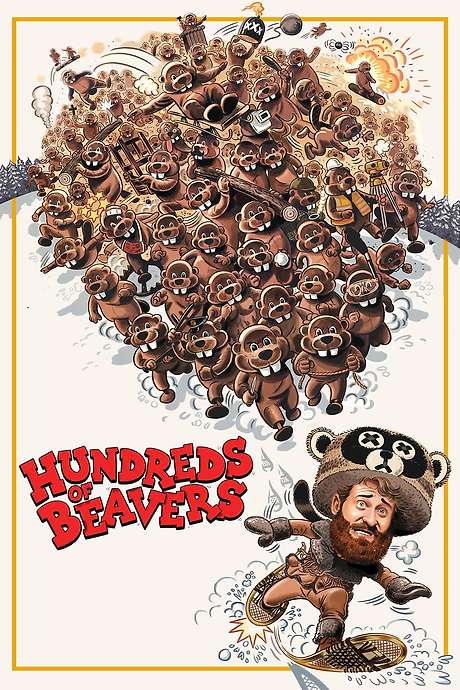
There was the craziness of Hundreds of Beavers (2023), and a moving Question and Answer with the director of the Celluloid Underground documentary about how Iranian fundamentalists used censorship and torture in their quest to destroy collections of ‘ideologically unsound’ 35mm films, including by setting them on fire – a fanatical counterpart to book burning.

I wouldn’t be surprised if The Holdovers (2023) becomes a cult Christmas classic.

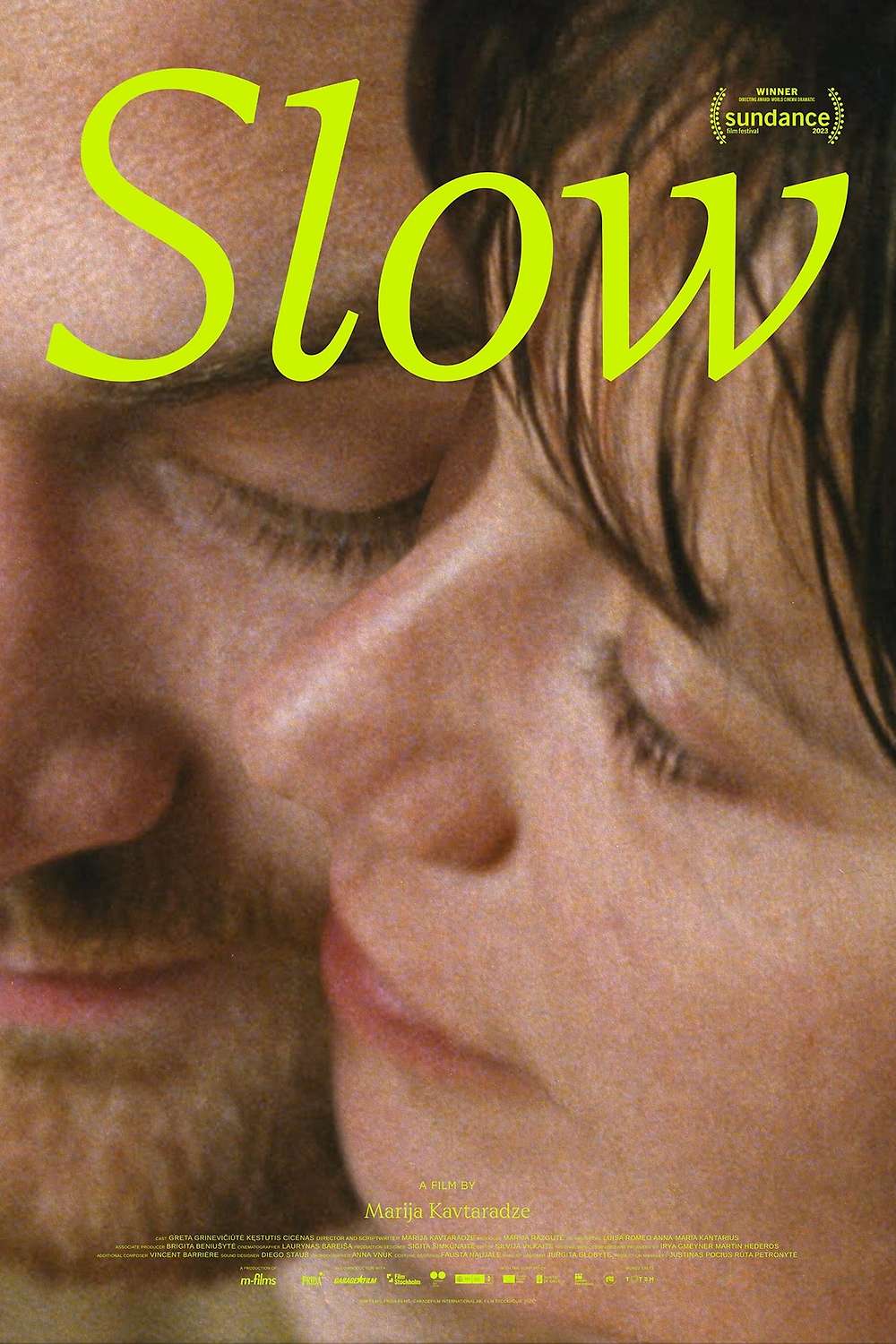
The Festival was rounded off at the Hyde Park Picture House with Slow (2023) a touching study of sexuality, intimacy and communication between a dancer and a sign language interpreter.

So many films I didn’t get to see of course. I hope to catch some of them at the wonderfully refurbished Hyde Park Picture House in the coming months.

What were the highlights for you? Do let us know.

Huge congratulations to all the staff and volunteers who brought it all together.

Bill Walton

How To Have Sex (UK 2023)

A breath-taking debut, an important message

Mia McKenna-Bruce as Tara

Screening Daily Until Thursday 16th November
How to Have Sex is Molly Manning-Walker’s remarkable debut feature film. Having made waves at this year’s Cannes Film Festival, the harrowing drama screened last weekend at Leeds’s International Film Festival with a director and cast Q&A and regular showings continue at the Picture House this week. Manning-Walker’s unflinching authenticity ensures her urgent examination of youth, consent and trauma deserves to be seen by everyone.

Three young British girls embark on a journey to Crete after slogging away at their A Levels, intent on finding booze, mayhem, and opportunities to ‘get laid’. So far this is a familiar story for the silver screen, as the combination of ‘sun, sea and sex’ has been depicted repeatedly in the age of Love Island. Yet unlike a ‘typical coming-of-age’ film, How to Have Sex is determined to examine the drunken escapades that countless Brits embark on through a different lens. As the girl’s trip unfolds and begins to unwind, it soon becomes clear that the new director intends to examine the notion of consent, carefully crafting a narrative that is moving and important.

This is all made possible by the powerful, immersive realism of everything the camera captures. Though there is the daring experimentalism of a directorial debut on display, audiences will be stunned to learn that this is Manning-Walker’s first feature-length effort, particularly due to the mastery of different styles and the diverse tones she creates. The opening showcases stunning picturesque shots of sunset beaches, creating dream-like sequences that make the audience feel as if they are lounging on the sands themselves as they grow closer to incredibly endearing characters.

This tone then shifts as part of a gritty depiction of booze-fuelled brits abroad, with thumping house music and discordant karaoke accompanying expertly placed hand-held camera angles. Nowhere do these moments feel forced, artificial or difficult to relate to. When the girls grimace as they down shots of hard liquor, stumble through nightclubs and drunkenly express their love for each other – and their love of the delicacy that is cheesy chips – these scenes are instantly recognisable and genuinely believable. How to Have Sex is effortlessly immersive, at least to what I can only assume is its primary target audience – a younger generation of Brits, many of whom are eager to drown their sorrows and embark on sunlit adventures with the mates they have made over turbulent teenage years.

These striking depictions of drug and alcohol use never feels judgemental, an important aspect of the film given its representation of the issue of consent. The debutant director films with a refreshing frankness, accurately depicting hedonistic escapades, but never in a way that scolds the youthful characters. Manning-Walker’s message isn’t to stop drinking, having fun, or chasing the sun whilst you are young and reckless. This is welcome, given that so much of the discussion on sexual violence has long been dragged down by the hopelessly inept idea that victims (particularly young women) need to merely drink less booze or wear longer skirts. The film instead warns against ignorance and cowardice as tragedy unfolds.

The immersion that characterises How to Have Sex is a huge part of why it’s message is so powerfully delivered, particularly due to the remarkable performances provided by it’s youthful cast. Mia McKenna-Bruce’s debut as Tara is as earthshattering, and may prove to be as career-defining, as her directors’. Their ability to subtly convey conflicting emotions is a big part of what makes How to Have Sex so moving, whilst a well-crafted script paints a searing portrayal of the behaviour that pre-empts sexual violence and the trauma that exists in the aftermath of such events. It is a triumph of a drama with a vitally important message.

Frankie Ryan-Casey
@FrankieRyanC on Twitter
@FranksRants on Substack

Bill’s Experience of #LIFF2022

Without the coziness of the Hyde Park Picture House or the grandeur of the Town Hall, this year I went for the 6 screenings for the price of 5. Choice is difficult with so many films from so many countries. I decided on:

No Bears (2022)


Highly recommended.  Once again Jafir Panahi uses his considerable film making skills to challenge the Iranian state. This time the film actors are in Turkey while Panahi directs from Iran close to the Turkish border because of government restrictions on his movement. There are stories within stories. 

In 2010 the Iranian government banned Panahi from film making for twenty years for propaganda against the state but with huge international support he found ways to continue. Since No Bears was released he  has been rearrested and is currently serving a six year prison sentence. The screening I went to was sold out.

Zuhal (2021)

A very well made black comedy about a lawyer who hears a cat meowing in her Istanbul apartment. Or does she? The sound takes over her life, as she struggles to find an explanation. Excellent cast. Recommended. (Presented jointly with Bird’s Eye View and Reclaim The Frame).

Casque d’Or (1952)

A newly restored taut French thriller. Set in 1902, it shows the struggle between an ex-con who is trying to go straight, and a local gangster boss. The reason? Marie (Simone Signoret) who is a force to be reckoned with. Highly recommended.

We Might As Well Be Dead (2022)

This satirical film creates a coherent dystopian world with a tower block as a refuge from dangers in the surrounding countryside. I struggled a bit with following the plot, but interesting enough for me to consider a repeat viewing.

Fanomenon Shorts

As well as aliens trying to take control of human relationships and breeding, I enjoyed the Japanese film Theatre (2022). Staff at a Tokyo cinema carry out plans to ensure its survival during Covid, with the help of a ghostly spirit. Inspiration for the Hyde Park Picture House!

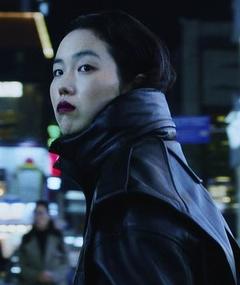
Return to Seoul (2002)

This is summed up by the subtitle: all the people I’ll never be. Freddie, a 25-year old French adoptee goes to South Korea to find her biological family. Based on a true story. An emotionally intense exploration of clashes of cultural values around family and society in the two countries. Ji-Min Park, the headstrong Freddie, gives a powerful performance in her first film. Highly recommended.

Many thanks to all the LIFF22 staff, volunteers and venues for bringing it all together. 

Bill Walton

Bill’s Festival Highlights

Another good year! Special thanks to the Leeds International Film Festival 2021 team for screening an impressive selection of films despite Covid and the non availability of the Hyde Park Picture House and Leeds Town Hall this year.

I watched a total of 8 films

Dear Future Children (2021). Very powerful interviews with young women activists facing huge personal risks in Hong Kong, Santiago and an Ugandan village, plus Q&A with the director.

The Ants and the Grasshopper (2021) following two Malawian women who share experiences of climate change with people from a wide variety of backgrounds in the USA. Great to have this screened while the COP26 Climate Conference was being held in Glasgow. (Available on LeedsFilmPlayer until Thursday)

No Straight Lines: The Rise of Queer Comics (2021), with interviews with some key American women and men artists. The documentary shows how they adapted from underground comics in the late 60s, to supporting people through the AIDS epidemic, leading on to graphic novels and a Broadway show. (Available on LeedsFilmPlayer until Thursday)

Seven Samurai (1954). Great to see on the big screen. Actors were really tough in those days!

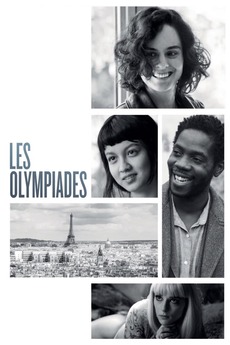
Paris, 13th District (2021). Some interesting insights into life in the eight tower blocks of Les Olympiades.

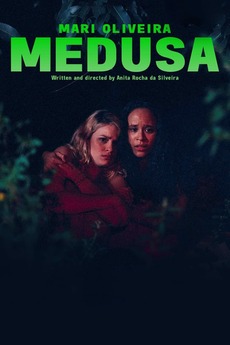
Medusa (2021). A Brazilian feminist horror film. Despite an interesting soundtrack and colour design I struggled to follow the plot in this one.

Compartment No. 6 (2021). A great film showing the common humanity shared between a female Finnish archaeology student and a male Russian mineworker on a long train journey to Murmansk.

The Hand of God (2021). The first half is the hugely entertaining story of a gathering of an extended Italian family, followed by the story of how this and other life experiences have influenced the director’s (Paolo Sorrentino’s) work.

This is but a small taste of the huge range of films on offer. Once again it shows the importance of International Film Festivals in building the  global understanding that we so urgently need.


Bill Walton

Leeds International Film Festival 2021

It’s that time of year again and #LIFF2021 is heading back into venues and also making lots of films available to watch online. Earlier this week committee members Bill Walton and Andy Smith attended the launch of the festival and share their first impressions.

For me one of the delights of the Leeds International Film Festival has been settling into the comfy seats of the Hyde Park Picture House, and watching several films in a row. A pleasure deferred until November next year…

This year we had the usual LIFF launch, with a breathless back to back screening of many short trailers for 55 minutes. This approach does give an impression of the variety of films on offer but is not ideal for decision-making. However I came away with a few clues:

But this is just scratching the surface. I haven’t had time yet to delve into the printed programme yet, so these impressions are very much subject to change. I suggest that you have a look for yourself!

Bill Walton

I always look forward to the LIFF preview so after missing last year it was with a sense of anticipation that I went along to the Vue on Wednesday especially as the venue was bragging about their new seats….I could have happily watched more trailers [and you now can – see below] but was glad that the screening was only 55 minutes as I could not have slouched in those seats for any longer despite having fiddled with the adjustment throughout, there was not a comfortable setting for a back now in its 7th decade….

It was a whirlwind of trailers….

I picked out the same ones as Bill plus:

Our task is now to go through the brochure and working out which films and venues align with work and other commitments with the backstop of the Leeds Film Player [the clashfinder can help with this]

Andy Smith


The festival guides are available from Vue Leeds in The Light, Leeds Town Hall now and more sites around Leeds and Yorkshire soon. For a guide in the post, email your details to leeds.film@leeds.gov.uk.

A PDF version is available online and tickets and passes are on sale now.

A number of festival fans have also put together some things that may help you plan your festival.

  • Clashfinder – see what films are on at the same time, highlight your choices, export to your calendars
  • The Films of #LIFF2021 – a Letterboxd list of most of the films showing at the festival
  • Online films at #LIFF2021 – a Letterboxd lists of most of the films available on the Leeds Film Player during the festival
  • LIFF2021 Trailers – a YouTube playlist of 80+ trailers for films at the festival

Leeds Film Festival Extended

Leeds Film Player

Normally at this time of year the film festival will have come to end but as we all know this year is far from normal. Plans to show films in venues had to be cancelled as cinemas closed again at the start of November but this has made the online selection even stronger and many of the films are still available until the end of the month.
I found the Leeds Player to work very well with only a few minor niggles, it’s certainly better than offer online film festival platforms with no visible watermarks and the ability to cast to TVs.

Here’s my selection of the films I liked the most that are still available to watch until November 30th.

Poster for Anne at 13,000ft

Anne at 13,000 ft

A divisive film but one I really liked with a very strong central performance; it stuck with me for days after viewing.

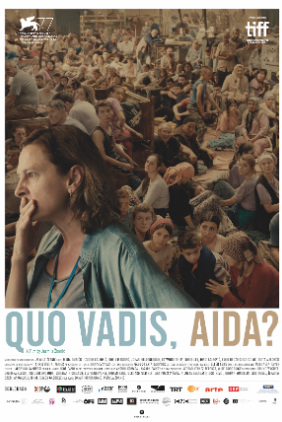
Poster showing Aida in front of a warehouse of refugees.

Quo Vadis, Aida?

A really powerful film centred around a translator in Bosnia, 1995 as the Serbian army take over her town. It manages to be both intimate and cover the larger scale of what happened and always feels very relevant.

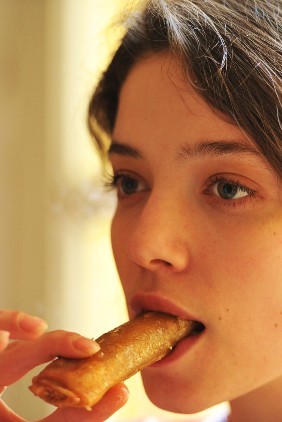
17 year old Selma eating a honey cigar

Honey Cigar

A late addition to the online programme but a great coming of age film with a really good central performance that wonderfully captures the life of French-Algerian teenager living in Paris in the early nineties.

Illustrated bear wearing a regal robe with a number of human and bear character standing behind him

The Bears’ Famous Invasion

One from the Young Film Festival selection but this charming animation is a delight for all ages (and only £3 to rent).

Poster featuring a woman in a white suit covered in blood holding a pair of shears.

The Columnist

It doesn’t always make a lot of sense and can get quite silly but this is also the most fun I had watching a film for quite some time. A black comedy about a newspaper columnist taking on social media trolls.

I didn’t have time to explore the Cinema Versa strand but hear that Andrey Tarkovsky. A Cinema Prayer and Kubrick by Kubrick are worth watching. I’m making my way through the Shorts, as always this is a varied selection but so far have been consistently good.

I was slightly worried that there may not be as many good films this year but once again it has been a really good programme. I only saw one film that was (arguably) bad and there were a few I struggled to get on board with but I’m glad I saw everything else. You can see my comments on all of the films along with star ratings on my Letterboxd list.

Bill’s highlights from #LIFF2019

Bill lists some some personal highlights of Leeds International Film Festival 2019

  • Beanpole (2019) a gripping drama about young women in Leningrad shortly after World War 2
  • The Lighthouse (2019) a powerful Victorian gothic thriller about two lighthouse keepers
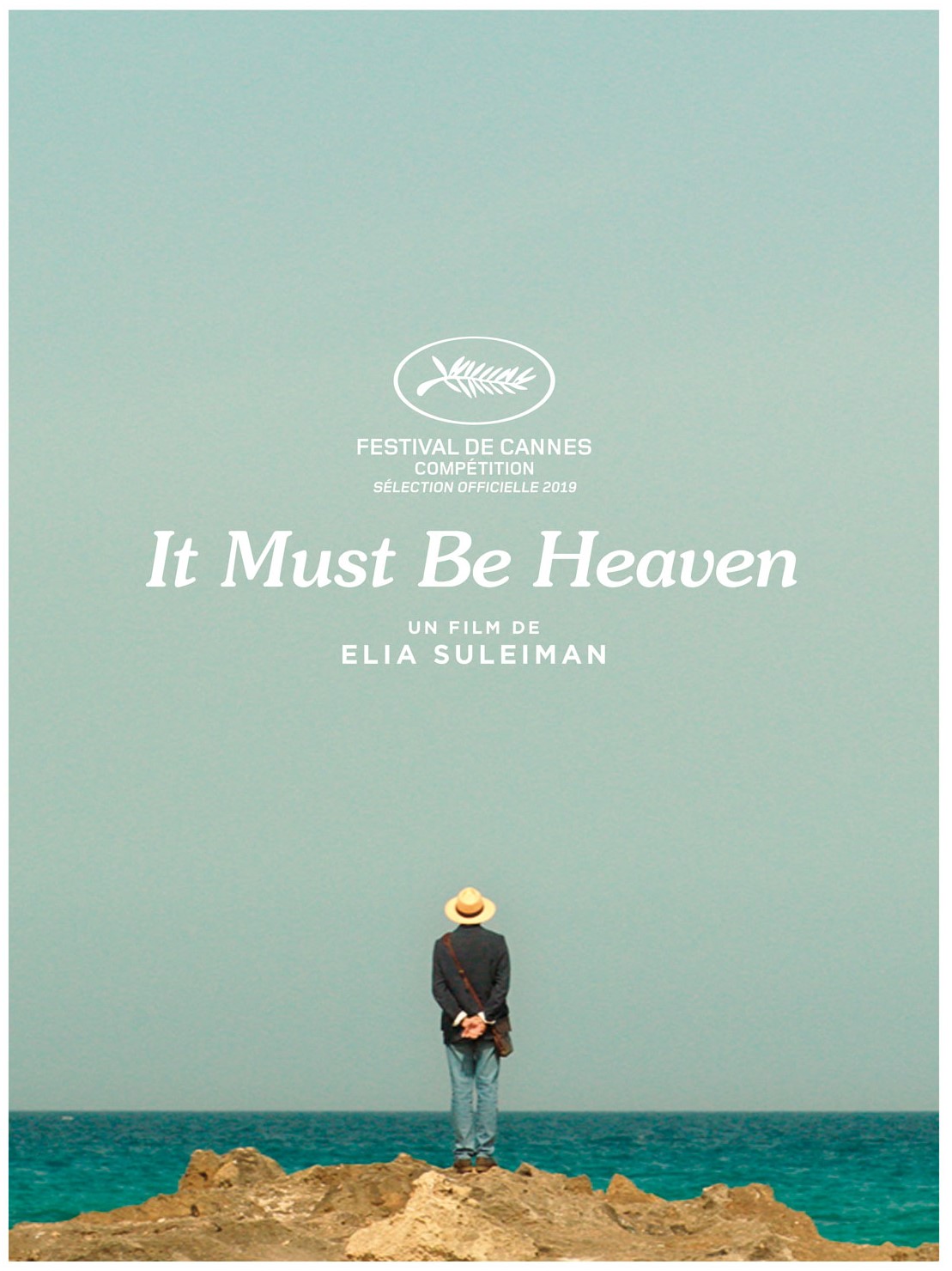
  • It Must Be Heaven (2019) an original take on the burden of being born Palestinian
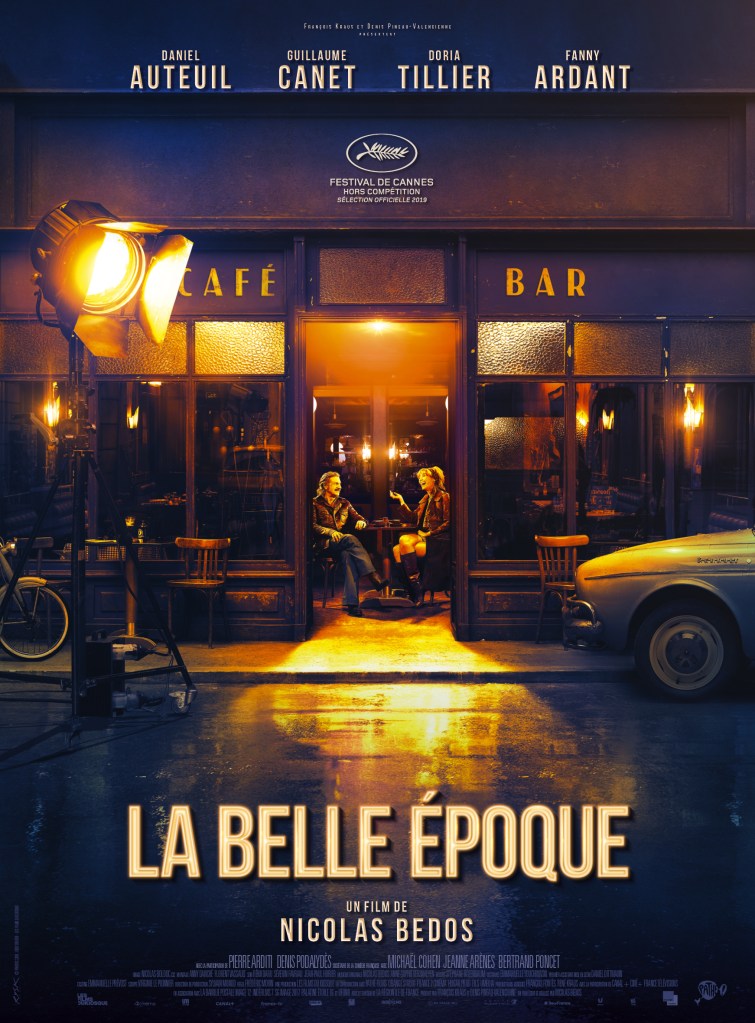
  • La Belle Époque (2019) great fun, an audience favourite (showing at the Hyde Park Picture House on December 15, 18, 19)
  • Judy and Punch (2019) Punch and Judy, a feminist version!
  • Marriage Story (2019) a funny and compassionate account of a divorce (showing at the Hyde Park Picture House Nov 29 – Dec 5)
  • Dancer in the Dark (2000) with an impressive performance by Bjork
  • I Lost My Body (2019) an enjoyable animated feature film
  • Osaka Elegy (1936) a story of a brave woman in a highly patriarchal Japan

I also enjoyed films from the Cinema Versa documentary features section:

  • 143 Sahara Street (2019) portrait of a remarkable woman in her desert tea house
  • A Dog Called Money (2019) great viewing for fans of PJ Harvey about she gets inspiration for her songs from around the world (a Picture House screening is planned)

And two documentaries that show the importance of recording events on film:

  • Shooting the Mafia (2019) about the brave Sicilian photographer Letizia Battaglia (showing at the Picture House on January 21 2020)
  • The Cordillera of Dreams (2019) about Patricio Guzmán’s recording of the violence of Pincochet’s Chile, as s reminder to younger generation

Bill Walton

It Must Be Heaven, (France/ Qatar/ Germany / Canada/ Turkey / Palestine, 2019)

Monday November 18th at 8.3. p.m. and Wednesday November 20th at 6.30 p.m.

This year’s Festival of Palestinian films launches, as usual, with this title screening during the Leeds International Film Festival, Already screened at the London Film Festival which provided this description:

“The beard is now inflected with grey and the eyelids hang a little lower, but for Elia Suleiman, the deft comic touch and wistful regret for a home just out of reach remain strong in It Must Be Heaven. The Palestinian film-maker fourth feature film – and his first in a decade – revisits similar themes to his earlier work, once again employing himself as the near-mute central character. This time, however, Suleiman transposes much of the action to Paris and New York. The upheaval across the Arab world since 2011 has seen the Palestinian struggle for statehood lose some of the existential urgency it once had to outsiders. Suleiman’s film is a delicious reminder of both the vitality of the cause, and the vibrancy of his artistry.”

His earlier features have been screened at the Hyde Park over the years. His last, the very fine The Time That Remains (2009), was part of an ealier Festival of Palestinian films. This most recent title runs 97 minutes, in colour and in English / French / Arabic / Spanish / Hebrew [English sub-titles, it has an unusually wide ration, 2.66:1.